
They/them (67)
Reading time: 2 minutes
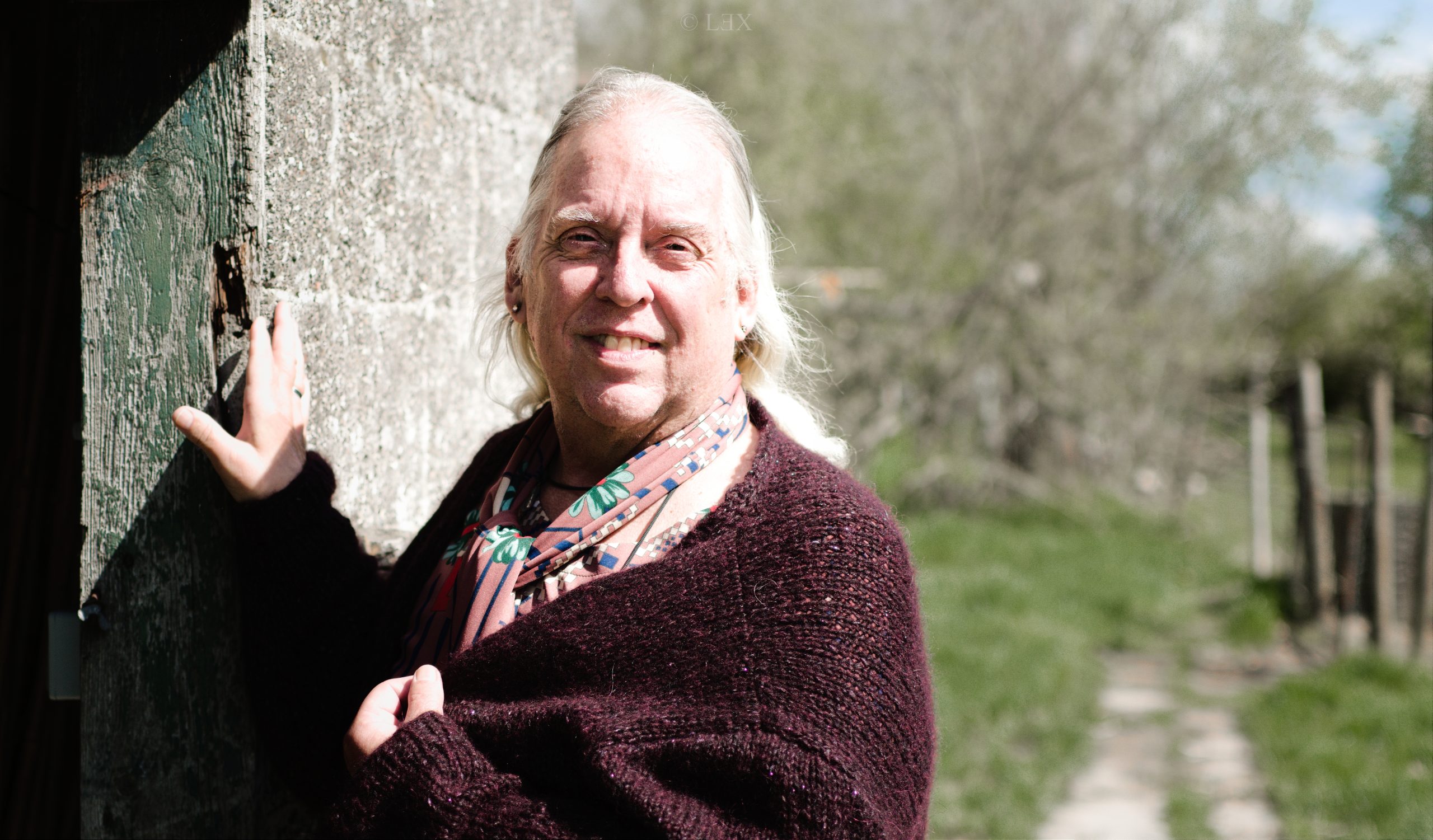
“I came out in 1974, so I’ve been a professional homo for nearly half a century. Back then there was only ‘lesbian’ and ‘gay’. Right now, I use the gender identifier ‘epicene’. It means: not male, not female, something in between. That’s where I feel like I am and where I’ve always been, actually. I was a sissy boy all my life and I survived in a sometimes violently homophobic culture. I think of myself as a kind of old queer dinosaur. Ageism and ableism and all of these things, I just cast them off and be my fabulous queer self. For the most part, people respond well to that. There’s always going to be haters, homophobes and transphobes and – fuck ‘em, there’s nothing I can do about it. I’ve had the experience of people reacting negatively, but then when they get to know us, that’s how we make a change: heart by heart. Not always, but that’s why I do remain optimistic in the face of rising homophobia. Visibility is so important. That’s why I do this, you know. I know that I’m from a generation that did a lot to make things better, but we still have so much more work to do – in terms of smashing the patriarchy.
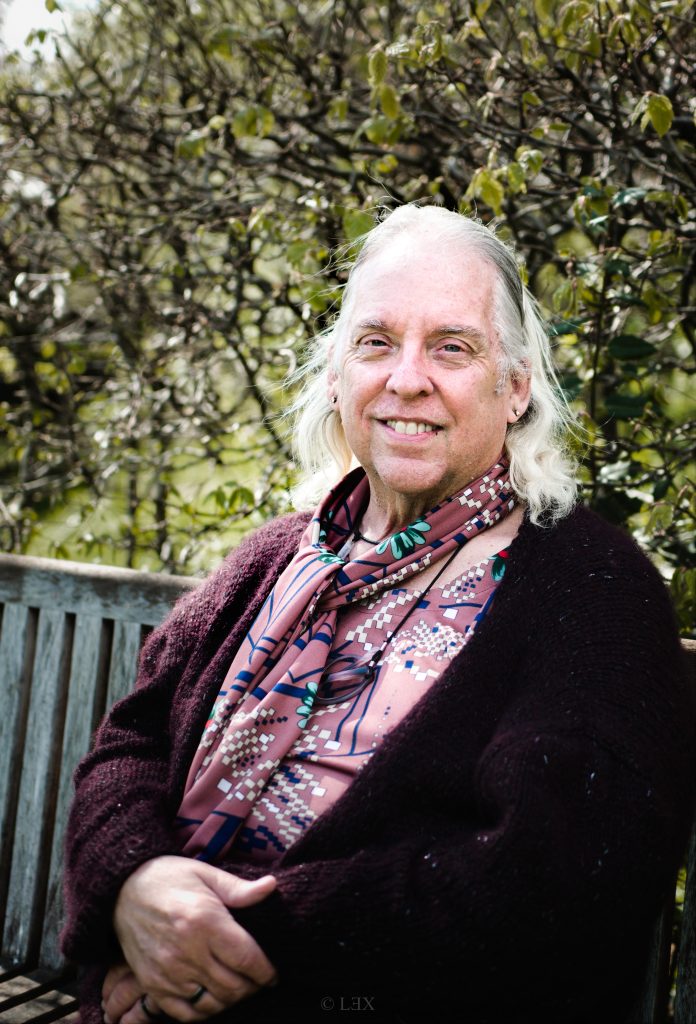
I’m dealing with two serious health conditions. I’m a cancer survivor and was diagnosed with early onset dementia. In Ireland, I was abandoned by a broken health system. But here, I’m getting help from two caregivers. One of them brought women’s clothes for me, without even asking. It’s important to me that my care be not heteronormative. I don’t want my core identity erased by anyone, however well-intentioned they may be. I’m very grateful for the care I’ve received. I’m in a great place, surrounded by love. It’s going to be okay however the lotus unfolds. I just don’t want to end up in a care home with bigots and haters. I fought that battle, I continue fighting it and I will to the last drop. But I want a sense of safety as well, especially at the end of the yellow brick road. I trust that wherever my next stop is, it’ll be fabulous. I just don’t want it to be scary, you know, as I babble my way into oblivion. I’m okay with that, I’ve told people that. I showed up as a caregiver during the AIDS epidemic, I lost so many friends. I’m not afraid of death. The dying, the getting there is the tricky part. I’m not ready to put the lights out, but when I am, I want to be the orchestrator of my fabulous life. I’m the person in the center. At the hospice, I’d like a disco ball.
It’s absolutely critical that trans youth be safe and supported. And by the same token, support at the other end of life is equally important. We’re all in it together.”